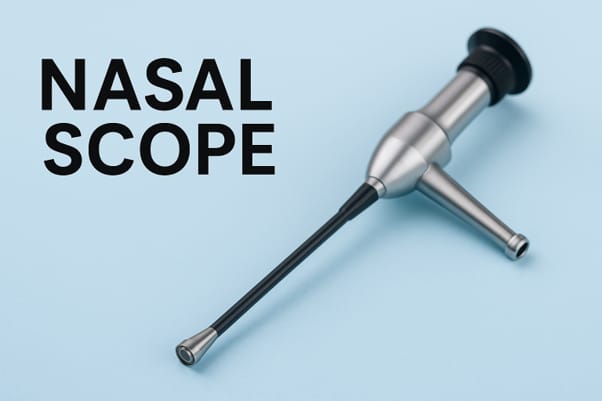
Introduction: Understanding the Nasal Scope
Nasal and sinus problems are among the most common reasons people visit an Ear, Nose, and Throat (ENT) specialist in Singapore. From persistent nasal blockage to unexplained nosebleeds, accurate diagnosis is the key to lasting relief. One of the most effective diagnostic tools in modern ENT practice is the nasal scope, also known as nasoendoscopy.
This simple yet advanced examination gives doctors a clear, magnified view inside the nasal passages and sinuses. Let’s explore what the procedure involves, when it’s needed, and how it helps your ENT identify and treat nose-related conditions effectively.
What Is a Nasal Scope?
A closer look at the instrument
A nasal scope is a thin, flexible, or rigid tube with a small camera and light source at the tip. It allows the ENT doctor to see the inside of the nose and upper airways in real time. The scope sends high-definition images to a screen, allowing detection of details that would otherwise be missed during a standard examination.
The flexible scope is especially useful for examining deeper areas such as the back of the nose and nasopharynx, while the rigid type provides sharper images of the nasal cavity and sinuses. Both are widely used in ENT clinics across Singapore.
Areas examined during nasoendoscopy
During a nasoendoscopy, the ENT inspects areas such as the nasal septum, turbinates, sinus openings, and the back of the nasal cavity. Sometimes, the examination extends towards the nasopharynx—the upper part of the throat behind the nose—to check the adenoids, Eustachian tube openings, or other potential sources of blockage.
Why and When ENTs in Singapore Use the Nasal Scope
Common indications
ENT specialists usually recommend a nasal scope procedure when nasal symptoms do not respond to basic treatments or when the cause remains unclear. Common reasons include:
- Persistent or unexplained nasal congestion.
- Recurrent or chronic sinus infections.
- Loss or change of smell.
- Frequent nosebleeds.
- Suspected nasal polyps, tumours, or deviated septum.
- Detection of foreign objects (especially in children).
In essence, any ongoing nasal problem that doesn’t improve with standard care may require closer examination with a nasal scope.
Why is nasoendoscopy important in ENT practice?
A nasoendoscopy gives ENT specialists direct visual access to areas that cannot be seen externally. This accuracy helps detect subtle issues early, such as small polyps or narrowed sinus openings, before they develop into major concerns.
For many Singapore patients, where allergies and sinus infections are common, nasoendoscopy helps doctors create targeted and effective treatment plans. It can also reduce the need for additional scans or surgery, as many findings can be managed immediately once identified.
What to Expect During a Nasal Scope Procedure

Before the procedure
There’s little preparation needed before a nasal scope procedure. Your doctor may ask about your medical history, blood-thinning medications, or allergies. In most clinics, a mild anaesthetic and decongestant spray is applied to the nose to reduce discomfort and open the nasal passages for easier viewing.
Step-by-step process
You will usually sit upright or slightly reclined in the examination chair. The ENT then gently inserts the scope through one nostril. Most patients describe the sensation as mild pressure rather than pain. You might be asked to breathe through your mouth or speak, depending on the area being examined.
The camera sends live images to a monitor, allowing the ENT to examine the nasal lining, sinus openings, and any irregularities. If needed, a small tissue sample (biopsy) may be collected for further analysis. The entire procedure usually takes only a few minutes.
After the procedure
The numbing spray’s effects may last for around half an hour, during which your nose or throat might feel slightly numb. Minor irritation or a small nosebleed can sometimes occur, but these symptoms resolve quickly. Most patients can resume normal activities immediately afterward.
Benefits and Limitations of the Nasal Scope

Key benefits
The nasal scope has transformed how ENT doctors diagnose nose problems. It provides a clear and detailed view of the nasal anatomy, allowing doctors to spot problems that standard tools cannot detect.
Because it’s minimally invasive, the procedure is safe, fast, and performed in an outpatient setting. The live images allow for quick decision-making—whether to continue medication, order imaging, or plan minor surgery.
Limitations and possible risks
Although nasoendoscopy is very safe, it focuses on the surface structures inside the nose. Deeper sinus cavities may still require imaging, such as a CT scan, for a complete evaluation.
Possible side effects are rare but can include mild bleeding, an allergic reaction to the spray, or brief dizziness. Extra care is taken if you are on blood thinners or have a bleeding disorder.
How the Nasal Scope Helps Diagnose Specific Nose Problems
Nasal blockage and structural issues
A frequent reason for a nasoendoscopy is persistent nasal obstruction. The nasal scope helps identify whether the blockage is due to a deviated septum, enlarged turbinates, or swollen nasal tissues from allergies. This allows the ENT to recommend the most suitable treatment.
Chronic sinusitis and nasal polyps
For chronic sinus infections, the nasal scope is extremely useful. It helps the doctor see inflammation, mucus build-up, or polyps that obstruct sinus drainage. These findings can lead to more accurate diagnoses and better treatment planning.
Loss of smell and functional issues
Loss of smell can occur when swelling or obstruction affects the upper nasal cavity. The nasal scope allows direct assessment of the olfactory region to identify inflammation or structural causes that may be treated medically or surgically.
Nosebleeds and foreign bodies
The nasoendoscopy helps pinpoint the exact source of nosebleeds and locate small foreign objects in the nasal passages. This is particularly helpful in children or patients with recurrent nosebleeds.
Suspicious growths or nasal tumours
Sometimes, the nasal scope may reveal abnormal tissue growths. If something looks unusual, the ENT can take a small biopsy to confirm the diagnosis. Early detection through this method greatly improves treatment outcomes.
What Happens After the Nasal Scope Examination
Interpreting the findings
After the examination, your ENT will explain what was seen, often showing you the images captured during the procedure. You’ll learn if your nasal structures appear normal or if there are signs of inflammation, polyps, or other abnormalities.
Planning the next steps
Based on the findings, your doctor may suggest continuing medication, managing allergies, further imaging, or surgery if needed. For many patients, the information from a nasal scope examination is enough to guide immediate and effective treatment.
Importance of follow-up
Follow-up appointments are important, especially for patients with chronic sinus or allergy problems. The nasal scope procedure may be repeated to assess how well treatment is working and to make adjustments if necessary.
Practical Tips for Patients in Singapore
- Choose a qualified ENT specialist with experience in using both flexible and rigid scopes.
- Ask questions before the procedure so you understand what to expect.
- Inform your doctor about any medication, especially blood thinners.
- Stay relaxed during the procedure and breathe normally through your mouth.
- Avoid heavy exercise or nose blowing for a few hours afterward if advised.
These simple steps help make the nasoendoscopy experience more comfortable and effective.
Summary: Why the Nasal Scope Matters
The nasal scope procedure may be straightforward, but it’s one of the most valuable diagnostic tools in ENT medicine. It gives doctors a real-time view of your nasal passages, helping to identify problems that might not show up on external examination.
In Singapore, nasoendoscopy is a routine part of ENT care, supporting accurate diagnosis and personalised treatment. Whether you’re dealing with chronic sinus issues, nosebleeds, or changes in smell, this simple procedure can make a major difference in identifying and treating the cause.
Final Takeaway
A nasoendoscopy is more than a diagnostic test—it’s a window into the health of your nasal passages and sinuses. In experienced hands, this quick and simple examination can uncover important information that leads to better treatment and long-term relief.
If you’ve been struggling with nasal congestion, sinus infections, or frequent nosebleeds, visit Dr KH Lim Ear Nose Throat Clinic to consult an ENT specialist to see whether a nasal scope procedure could help find the cause and guide your recovery.
Frequently Asked Questions
Is a nasal scope painful?
No, it’s generally well tolerated. A numbing spray prevents discomfort, and most people only feel mild pressure or tickling.
How long does it take?
Usually less than five minutes, often completed during a standard ENT visit.
Do I need to fast or take time off work?
No. You can resume normal activities immediately after the procedure.
Will I need sedation?
Not normally. Sedation is only used for complex procedures that involve surgery or biopsy.
What if something abnormal is found?
Your ENT will discuss the findings and explain the next steps, whether that involves medication, imaging, or minor surgery.
