
If you’ve been experiencing persistent nasal congestion that doesn’t go away with over-the-counter treatments or antibiotics, your ENT specialist might recommend a nasal endoscopy. But what exactly is this procedure, and when should you consider having one?
This guide is crafted for patients in Singapore who are curious, concerned, or considering a nasal endoscopy. Whether you’re dealing with chronic sinus issues, unexplained nasal blockages, or recurring infections, we’ll walk you through everything you need to know—from what it involves to when it’s truly necessary.
What Is a Nasal Endoscopy?
A nasal endoscopy is a diagnostic procedure that allows an ENT (Ear, Nose and Throat) specialist to examine the inside of your nose and sinuses in detail. Using a thin, flexible or rigid tube called an endoscope or a nose scope—equipped with a light and camera—your doctor can get a clear view of structures that are otherwise hidden during a routine nasal examination.
The procedure is typically done in the ENT clinic setting and takes only a few minutes. It’s minimally invasive and usually well-tolerated, often performed under a local anaesthetic spray to numb the nasal passages.
Why Is It Recommended?
A nasal endoscopy gives ENT specialists a direct view of your nasal cavity, sinus openings, turbinates, nasal septum, and nasopharynx (the upper part of your throat behind the nose). It helps detect a variety of nasal or sinus issues that may not show up clearly on physical exams or X-rays.
ENT doctors in Singapore frequently use nasal endoscopy to:
- Diagnose chronic sinusitis and nasal polyps
- Check for abnormal growths or tumours
- Assess nasal blockage or breathing issues
- Investigate the cause of persistent nosebleeds
- Monitor post-surgical recovery after sinus or nasal surgery
Common Symptoms That Warrant a Nasal Endoscopy
Wondering if your symptoms justify a nasal endoscopy? Here are some of the most common signs that may prompt your ENT specialist to recommend this procedure:
1. Chronic Nasal Congestion
If you’ve been experiencing ongoing nasal blockage or congestion for more than 12 weeks despite medication, an endoscopy may reveal hidden causes such as nasal polyps, a deviated septum, or enlarged turbinates.
2. Recurrent or Chronic Sinus Infections
Frequent sinus infections (sinusitis) that recur multiple times a year or never fully resolve might indicate obstructed sinus drainage pathways. Nasal endoscopy allows your doctor to directly visualise the sinus openings and identify chronic inflammation or anatomical abnormalities.
3. Persistent Nasal Discharge
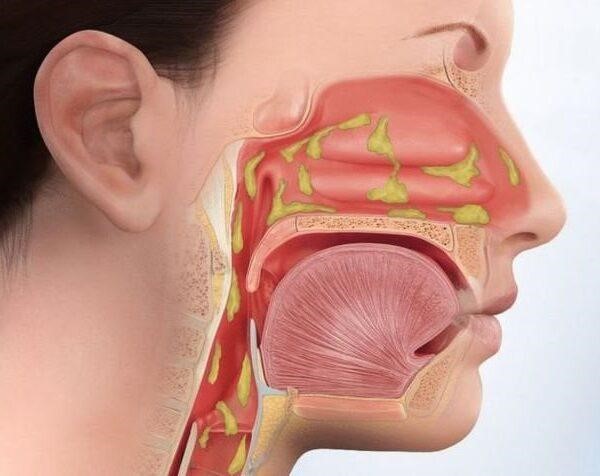
Clear, thick, or discoloured nasal discharge that doesn’t go away could be a sign of chronic infection or even a CSF (cerebrospinal fluid) leak, especially if it’s only from one nostril. A nasal endoscopy can help confirm the source.
4. Nosebleeds (Epistaxis)
Frequent nosebleeds—particularly from the back of the nasal cavity—should be evaluated with an endoscopy to identify the bleeding site. In some cases, tumours or vascular abnormalities are discovered as the root cause.
5. Loss of Smell (Anosmia or Hyposmia)
Losing your sense of smell could be due to obstructed airflow, inflammation, or polyps. Nasal endoscopy helps determine whether a physical blockage or another underlying condition is affecting your olfactory function.
6. Suspected Nasal Tumours or Growths
If your ENT doctor suspects an abnormal mass, growth, or tumour, nasal endoscopy is often the first step. It can be paired with a biopsy (tissue sampling) if something unusual is found.
When Should You See an ENT Specialist in Singapore?
In Singapore, where air quality, allergens, and environmental factors like humidity can influence respiratory health, many people suffer from chronic sinus or nasal problems. Here’s when it’s time to consult an ENT:
- You’ve had nasal symptoms for more than 12 weeks
- Medications (nasal sprays, antihistamines, antibiotics) don’t help
- You have recurrent infections (more than 3–4 a year)
- Symptoms like nosebleeds, loss of smell, or headaches are worsening
- There’s a visible mass or persistent nasal deformity
Early assessment helps prevent complications and can lead to more effective treatment. In most cases, your ENT will determine during your first visit whether an ENT nasal endoscopy is required.
What Happens During the Procedure?
A nasal endoscopy is a quick and relatively painless procedure performed in the clinic. Here’s what you can expect:
Step 1: Preparation
Your ENT will apply a local anaesthetic spray or gel to numb the inside of your nose. In some cases, a decongestant spray may also be used to reduce swelling and improve visibility.
Step 2: Insertion of the Endoscope
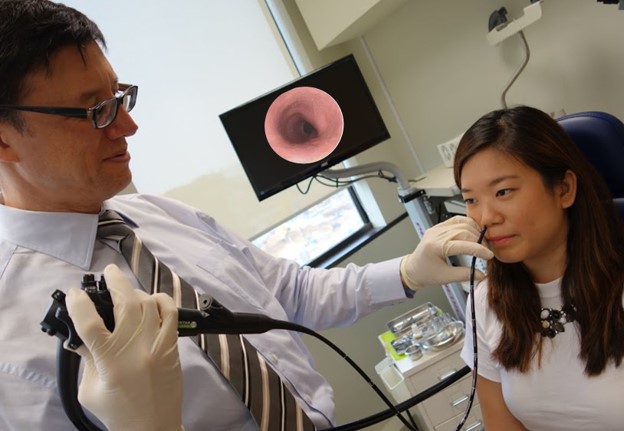
The doctor gently inserts the endoscope or a nose scope into one nostril at a time. The high-definition camera transmits real-time images onto a screen, allowing your doctor to examine different structures closely.
Step 3: Observation and Diagnosis
The examination typically takes around 5–10 minutes. If something suspicious is found (like polyps or abnormal tissue), your doctor might perform a biopsy on the spot or schedule further testing.
Is It Safe?

Yes—ENT nasal endoscopy is considered very safe when performed by trained ENT professionals. In Singapore, ENT specialists are regulated under the Ministry of Health and must be accredited.
Possible Side Effects:
While uncommon, some patients may experience:
- Temporary discomfort or stinging sensation
- Minor nosebleeds
- Sneezing or watery eyes
- Rarely, mild dizziness
These symptoms are typically short-lived and resolve within a few hours.
Nasal Endoscopy vs CT Scan: What’s the Difference?
Many patients wonder whether they need a CT scan in addition to nasal endoscopy. Here’s a quick comparison:
| Feature | Nasal Endoscopy | CT Scan |
|---|---|---|
| Type of test | Visual, real-time | Imaging, radiographic |
| Purpose | Detects inflammation, growths, and obstructions | Maps of sinus anatomy, hidden infections |
| Radiation | No | Yes (low dose) |
| Location | Clinic | Radiology centre |
| Cost | Lower | Higher |
Often, ENT specialists in Singapore will use both tools together to get a comprehensive understanding—nasal endoscopy for surface inspection and CT for internal sinus structures.
Benefits of Early Diagnosis Through Endoscopy
Early detection is key to managing nasal and sinus conditions effectively. Nasal endoscopy helps ENT doctors:
- Provide targeted treatment instead of trial-and-error medication
- Detect early-stage tumours or masses
- Decide if surgery is necessary (e.g., for polyps or a deviated septum)
- Monitor healing after sinus surgery or procedures
- Avoid unnecessary delays in treatment
In Singapore, this proactive approach can make a big difference in managing your health, especially with easy access to ENT clinics and advanced facilities.
Cost of Nasal Endoscopy in Singapore

Prices may vary depending on the clinic or hospital setting. However, here’s a general estimate:
- Private ENT Clinics: $120–$250 (consultation + endoscopy)
- Public Hospitals (Subsidised): $30–$90 (after subsidies, with referral)
Do check whether Medisave or private health insurance covers part of the procedure. Many ENT clinics will clarify this during your initial appointment.
Where Can You Get a Nasal Endoscopy in Singapore?
You can undergo nasal endoscopy at:
- Private ENT clinics (such as Novena Medical Centre, Mount Elizabeth, Parkway East)
- Reputable hospitals with ENT departments (SGH, NUH, KKH, Tan Tock Seng)
- Specialist ENT centres that offer same-day appointments
It’s important to choose a MOH-licensed ENT clinic with experienced specialists who can provide personalised care based on your symptoms and medical history.
Conclusion: Should You Consider an ENT Nasal Endoscopy?
If you’re dealing with ongoing nasal issues, a nasal endoscopy could be the key to getting clear answers. In a country like Singapore, where ENT care is accessible, efficient, and backed by modern medical technology, this safe and quick procedure can make all the difference in your diagnosis and treatment journey.
Whether it’s persistent sinus problems, nasal blockages, or something that “just doesn’t feel right,” don’t ignore the signs. Seek advice from a qualified ENT specialist and consider a nasal endoscopy when:
- Symptoms persist despite treatment
- Structural issues are suspected
- Accurate diagnosis is essential for the next step
Your nose knows when something’s wrong—listen to it.
